
6.11 Buying or Leasing a Car
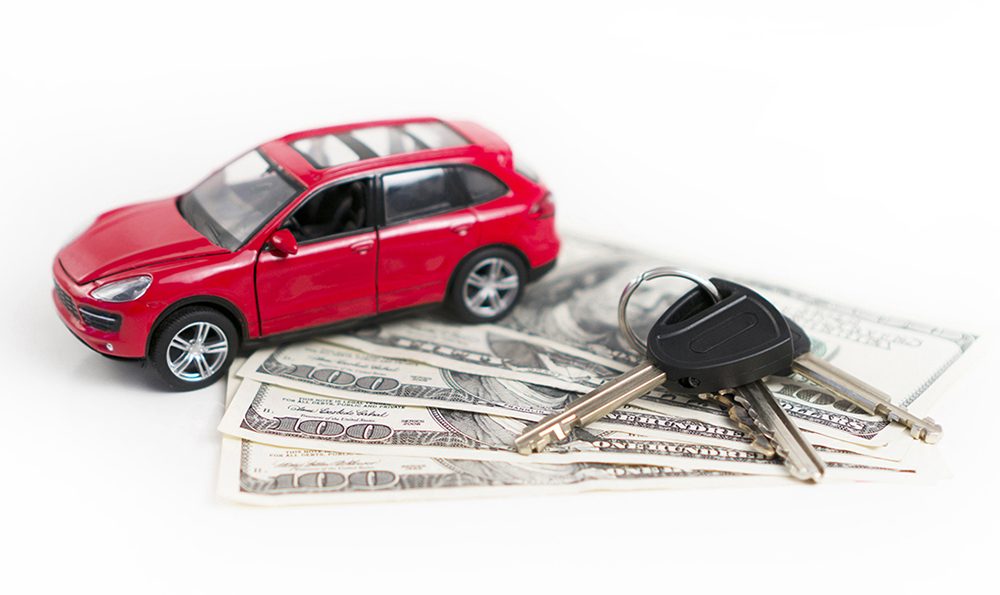
Learning Objectives
After completing this section, you should be able to:
- Evaluate basics of car purchasing.
- Compute purchase payments and identify the related interest cost.
- Evaluate the basics of leasing a car.
- Identify and contrast the pros and cons of purchasing versus leasing a car.
- Investigate the types of car insurance.
- Solve application problems involving owning and maintaining a car.
There are people who don’t need a car and won’t purchase one. But for many people, whether or not to have a car is not a question. Having a car is a basic necessity for these people.
Obtaining a car can be daunting. The models, the features, the additional costs, and finding funding are all steps that need to be taken. One of the big decisions is whether to buy the car or to lease the car. This section will address some of the issues associated with each option.
The Basics of Car Purchasing
The biggest questions you will answer before purchasing a car are, what do you want and what do you need?
Does it have to be new? Does it have to be a make and model you are familiar with? Does it have to have assisted driving? What other details are important to you? For a new vehicle, every feature beyond standard features comes with additional cost, which leads to the question that constrains all of your decisions about a car. How much can you afford to spend on a car?
What you can afford must include insurance costs (discussed later in this section) and maintenance and upkeep. Once you have this in mind, you can search for a car that matches, as closely as possible, what you want and can afford. Most, if not all, dealers have websites that you can search through to identify the car you want. If new cars are not affordable, used cars cost less but come with the wear and tear of use.
The sticker price of the car, called the manufacturer’s suggested retail price (MSRP), or the negotiated price you arrive at, isn’t the end of the cost to buying a car. There are many fees that accompany the purchase of the car, and perhaps even sales tax. These include but aren’t necessarily limited to the following:
- the title and registration fee, which includes registering your car with the state, getting the license plate, and assigning the title of the car to the lender. This cannot be avoided.
- a destination fee, which covers the cost of delivering the vehicle to the dealer
- a documentation fee, sometimes referred to a processing fee of handling fee, is the cost of all the paperwork the dealer did to get you the car
- a dealer preparation fee, which is for washing the car and other preparation of that sort. You should try to negotiate that out of the cost of the dealer tries to charge for that
- extended warranties and maintenance plans, which help cover some of the costs of caring for the car.
- Sales tax.
You could pay for these immediately, but they are often added to the financing of the car, meaning they become part of the principal of your loan.
One way to bring down payments on a car is to provide a down payment or a trade in. This is money applied to the purchase price before financing happens. Be warned, the sales tax applies to the full purchase price! If you reduce the amount financed, the payments respond by going down. This often becomes part of the negotiating process.
When purchasing a car, the total cost to obtain the car is not the only factor in your monthly price. You will also pay an interest rate for the loan you obtain. The interest rate you will get is dependent on your credit score (see The Basics of Loans). But you can choose from different lenders. The dealership will likely offer to finance your car loan. Frequently, dealerships offer special financing with very low rates. This is to help move inventory, and may indicate their desire to make sales. This might make negotiating easier. Even if the dealership offers financing, check with your bank or credit union to determine the interest rates they are offering. To reduce your payments, choose the lowest rate you can find.
Purchase Payments and Interest
Whether or not you buy a new car or a used car, if you finance the purchase, you are taking out a loan. The interest rates available for used cards are frequently higher than those for new cars. These loan payments work exactly the same way as other loans do as far as payments are concerned. The payment function comes from The Basics of Loans. The difference between financing a new car or a used car is that financing a new car typically comes with a lower interest rate and a longer term that financing a used car.
The Basics of Leasing a Car
Leasing a car is an alternative to purchasing a car. It is still a loan, and acts like one in many respects. They typically last either 24 months or 36 months, though other terms are available. Leases also come with mileage limits, frequently 10,000, 12,000, or 15,000 miles per year. When the lease is over, the car is returned to the dealer. At that time there may be fees that have to be paid, such as for damage to the car or for extra miles driven over the limit.
There are two components to lease costs. One is the monthly payment for the lease. The other is the fees for leasing, These often are paid before the lease is complete. These include:
- a down payment, which is your initial payment that is applied to the price of the car. It reduces the amount you finance, much the same as when you purchase a car. It is recommended that this be negotiated away.
- the acquisition fee, sometimes called the bank fee. This is the money charge for the company to set up the lease. It is essentially a paperwork fee. It is not likely that this can be negotiated.
- a security deposit, which might be required. It is about the same as 1 month’s payment for the lease. The deposit is returned to you if the car is in good shape at the end. This can be negotiated away.
- disposition fees, which cover the cost the company will incur when they take your car back and are typically between $200 and $450.
- the title, registration, and license fees, just as with the purchase of a car.
- sales tax, which will likely be applied. The sales tax only covers the depreciated portion of the car (more on depreciation later) in many states. Since this depends on the state in which the car is leased, you should determine the sales tax rules for where you lease the car.
As you can imagine, this can come to a fairly high dollar amount.
You have some obligations when you lease a car. You must keep the car in good condition, cleaned, maintained, and free of anything more than minor damage. If the car is in poor condition when the car is returned, you will be responsible for the cost to bring the car to an acceptable condition. You are also expected to keep the mileage under its limit. If you go over, you will pay 10 to 25 cents per mile over.
Lease Payments
Lease payments are similar to regular loan payments, but have some other details. Calculating a lease payment involves knowing the following values:
- The price of the car. This is the cost you would pay for the car after applying all discounts, incentives, and negotiations.
- Residual Value. This is the manufacturer's estimate of the car's value after a set period of time. The residual value is expressed as a percentage of the manufacturer’s suggested retail price (MSRP).
- Months. This is the length of the lease. Most leases are either 24- or 36-month leases, but other terms are available.
- Monthly Depreciation. The monthly depreciation is the difference between the price of the car and the residual value, divided by the number of months of the lease, and represents the monthly loss of value of the car while it’s being used.
- Money Factor (MF). This is the interest rate, but expressed in a different way for a lease. Converting from the money factor to the annual percentage rate (APR) is done by multiplying the MF by 2400. Naturally, converting an APR to a MF is done by dividing the APR by 2400.
Once the values above are found, the payment for the lease can be calculated.
Comparing Purchasing and Leasing
When deciding to buy or lease a car, the differences between the two options should be carefully evaluated. The following is a list of points of comparison between the two.
- The payments for a lease are likely less than the payment for purchasing.
- When leasing, you get a new car after the lease term is over, typically 24 or 36 months. Buying the car means the same car is driven until it is re-sold and a new one bought. Essentially, leasing a car is equivalent to renting a car.
- The leased car is new, so all warrantees are in force and you drive the car during its best years. When the car is purchased, it may be kept past its warrantees and may be driven until it is quite old.
- Each time you lease a new car, all the fees and taxes must be paid again. When buying a car, these fees are only paid once.
- Leasing contracts carry restrictions on the mileage you can drive per year, and going over incurs more cost at the end of the lease. Buying the car means no such mileage limits.
- When leasing, you are obligated to keep the vehicle in good condition and maintained according to the dealer’s schedule. Some dealerships will even pay for oil changes over the life of the lease. When the car is purchased, the upkeep schedule is the choice of the owner.
- When a car is purchased and kept for long enough, the warranty expires and the owner is responsible for all maintenance items and repairs. The warrantee for a car won’t expire during the lease term.
- When a new car is purchased and the loan is paid off the car is still owned by the buyer and may be traded in when a new car is to be purchased. When leasing, the car is returned to the dealer when the lease term is over.
When deciding between the two, you are choosing between these features. If you aren’t willing to drive an older car or deal with the upkeep that accompanies an older car, you may want to lease. This means you will need to pay those beginning costs each time the lease is up. If you want to own the car after the payments are over, then you may want to buy a car. This means you are paying for all the upkeep after the warrantees expire, but you have no limits on mileage and own the car at the end. It really depends on your preferences.
Car Insurance
Car insurance is meant to cover costs associated with accidents involving cars. Most states (all except New Hampshire and Virginia) require some insurance. Without insurance, the state may not let you get a license for your car or register your car. Your state’s requirements can be hard to follow. Fortunately, insurance companies and brokers will make sure your insurance is sufficient for your state and will warn you if you try to not meet the requirements. Of course, they may offer more than what is sufficient, so it is your responsibility to determine how much coverage you want, as long as the minimum insurance requirements are met. The cost of insurance should be accounted for when evaluating the affordability of buying or leasing a car.
Whether your car is leased or owned, you do need insurance. This contributes to the cost of having the vehicle. Leasing or owning makes no difference to the insurance company you choose, because they are insuring you based on what you are driving, your driving record, and other information about you including where you live and your age. These insurance policies have many components that address different costs that can come from auto accidents. This may make details confusing, and you may not realize what you are paying for until you must use it. Here is a brief outline of the different components of auto insurance, many of which are required by the state that issues your driver’s license.
- Liability insurance is mandatory coverage in most states. Liability insurance covers property damage and injuries to others should you be found legally responsible for an accident. You are required to have the minimum amount of coverage, as determined by your state, in both areas.
- Collision insurance is insurance covering the damage caused to your car if involved in an accident with another vehicle.
- Comprehensive insurance is an extra level of coverage if involved in an accident with another vehicle and covers other things like theft, vandalism, fire, or weather events as outlined in your policy. There is a deductible assigned to each type of insurance, an amount that you pay out of pocket before your comprehensive coverage takes effect. Comprehensive insurance is often required if you lease or finance the purchase of a vehicle.
- Uninsured or underinsured motorist insurance: If you are hit by an uninsured or underinsured motorist, this insurance will help pay medical bills and damage to your car.
- Medical payments insurance is mandatory in some states and helps pay for medical costs associated with an accident, regardless of who is at fault.
- Personal injury protection insurance is coverage for certain medical bills and other expenses due to a car accident. Other covered expenses may include loss of income or childcare, depending on your policy.
- Gap insurance is designed to cover the gap between what is owed on the car and what the car is worth in the event your car is a total loss.
- Rental reimbursement insurance is coverage for a rental car while your car is under repair resulting from an accident.
You can also purchase other special insurance policies, such as classic car insurance, new car replacement insurance, and sound system replacement insurance, to name a few. It is important that you determine exactly what you need, as insurance policies can be expensive and vary according to your age, driving history, and where you live.
Maintaining a Car
Cars are not a buy it and forget it item. They require upkeep, which adds to the cost of owning the car. Tires, brakes, and wipers need replacing. Oli changes, inspections, so many things other than gasoline. Below is a list of some maintenance requirements for cars, along with cost and roughly how often they should happen.
| Maintenance | Frequency | Cost Range |
|---|---|---|
| New Tires | Every 5 years | $25–$300 per tire |
| Oil Change | Every 3,000–6,000 miles | $35–$75 |
| Wipers | Every 6–12 months | $20–$40 |
| Inspection | Annual | $10–$50 |
| Brake pads | 10,000–20,000 miles | $200–$300 |
| Air Filter | 15,000–30,000 miles | $35–$80 |
When designing a budget, these expected costs should be accounted for. Extra money per month should be saved in addition to this budget category, to handle unanticipated, and perhaps very costly, repairs.
Key Terms
- Title and registration fees
- Destination fee
- Documentation fee
- Dealer preparation fee
- Extended warranty
- Down payment
- Acquisition fee
- Security deposit
- Disposition fees
- Liability insurance
- Collision insurance
- Comprehensive insurance
- Uninsured or underinsured motorist insurance
- Medical payment insurance
- Personal injury insurance
- Gap insurance
- Rental reimbursement insurance
Key Concepts
- There are many factors to consider when choosing to buy or lease a car.
- The cost of the car is increased by a number of fees and sales tax.
- There are advantages to buying a car and advantages to leasing a car. The decision between the two depends on the preference of the buyer.
- Insurance covers costs associate with accidents. It is made up of various components.
- The costs of owning a car, including insurance and maintenance, should be a part of the budgeting process.
- Budgeting for unexpected repairs can ease the stress of encountering large repair bill.
Formula
Adapted from Contemporary Mathematics by OpenStax (openstax.org), licensed under CC BY-NC-SA 4.0. Changes were made. License: CC-BY-NC-SA-4.0.