
Chapter 1: Statements
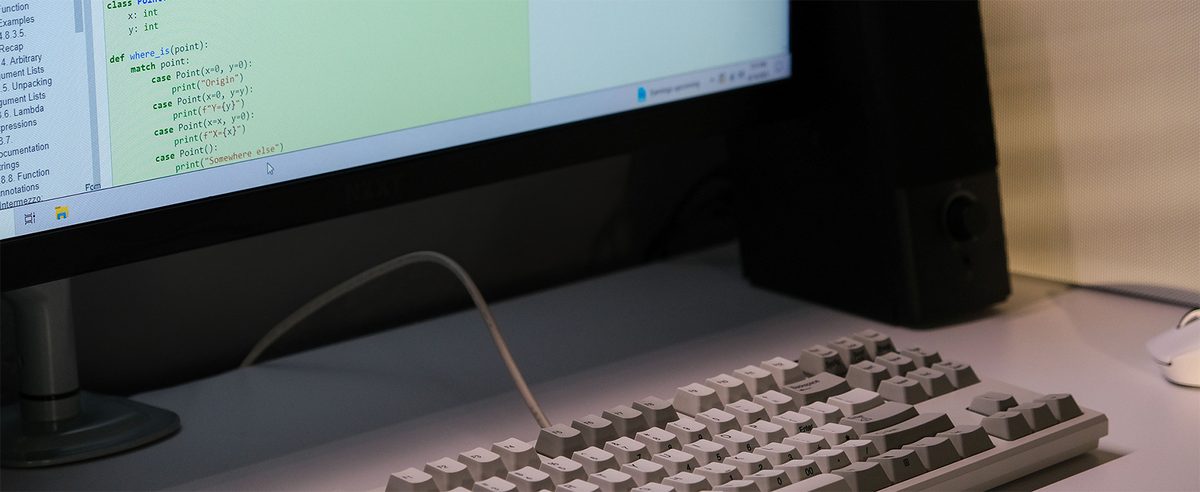
Computers and programs are everywhere in today's world. Programs affect many aspects of daily life and society as a whole. People depend on programs for communication, shopping, entertainment, health care, and countless other needs. Learning how to program computers opens the door to many careers and opportunities for building a better world.
Programs consist of statements to be run one after the other. A statement describes some action to be carried out.
The statement print("Good morning") instructs Python to output the message "Good morning" to the user. The statement count = 0 instructs Python to assign the integer 0 to the variable count.
This chapter introduces statements for input and output, assigning variables, and basic arithmetic. Making mistakes is a normal part of programming, and the chapter includes advice on understanding error messages. The chapter ends with a short history of Python and discusses why Python has become so popular today.
Adapted from Introduction to Python Programming by OpenStax (openstax.org), licensed under CC BY-NC-SA 4.0. Changes were made. License: CC-BY-NC-SA-4.0.